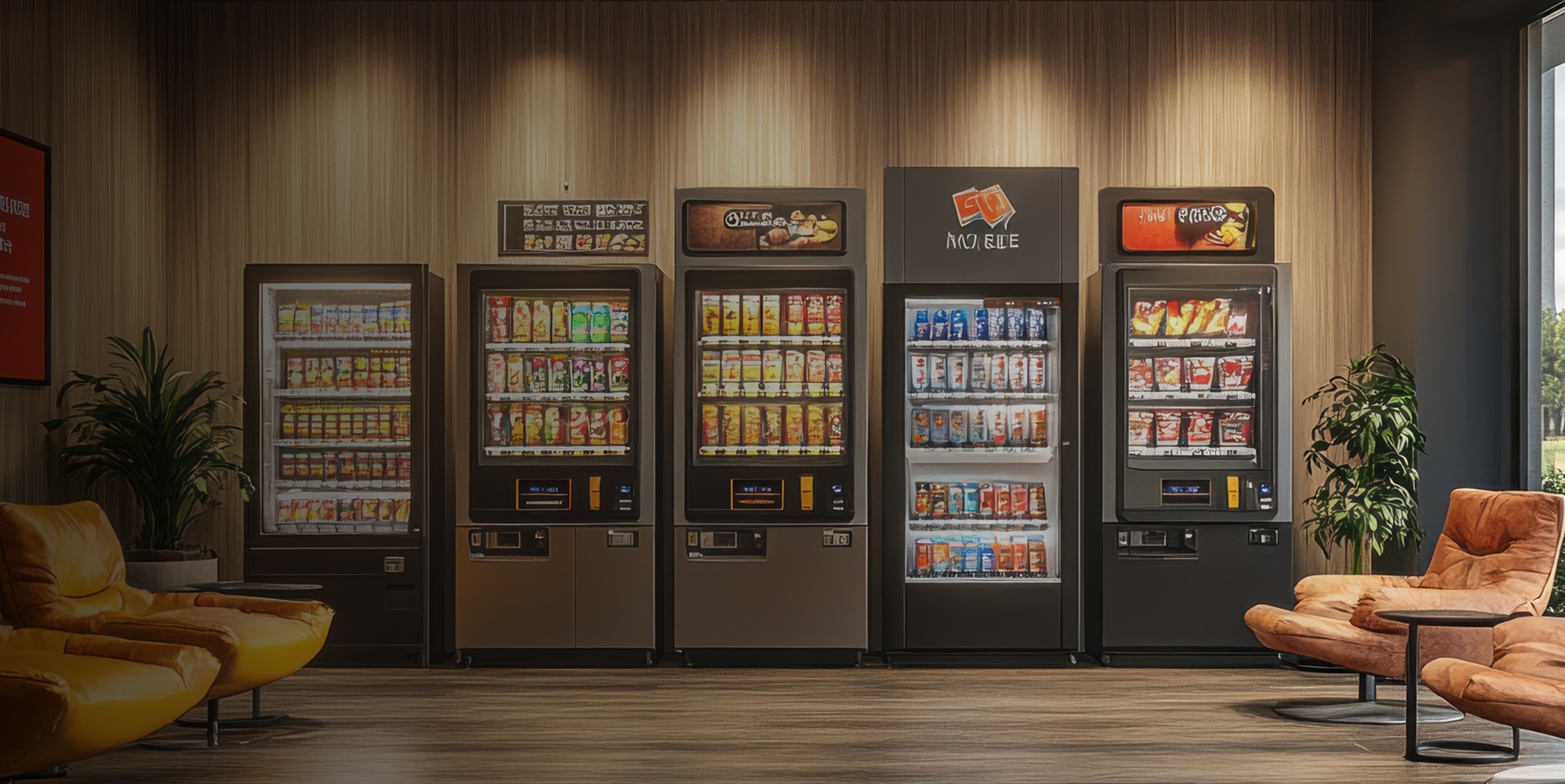
Office lunch breaks can turn into a sad race to a crowded fridge. Then comes the long wait for a microwave, plus the greasy takeout boxes piling up. What if a small, shared cooking spot could fix all this? A dedicated mini kitchen changes daily habits for the better. This idea works especially well in busy workplaces.
Let us show you how a micro kitchen Middle East can save time, money, and lift everyone’s mood.
Improved space usage:
Large rooms sit empty for hours. A small corner unit utilizes dead space, turning wasted areas into functional hubs. This design choice frees up square footage for desks or meeting spots. Businesses gain usable workspace while still offering essential amenities to staff.
Lower operational costs:
Maintaining a full cafeteria costs a fortune. Expenses like large appliances, excess cleaning, and heavy utility bills add up quickly. Smaller stations need less power and minimal upkeep. Organizations keep budgets tight by limiting equipment to essentials like fridges, water dispensers, and coffee makers.
Boosted social interaction:
Small spots draw people together. Colleagues chat while waiting for water or a snack. These brief moments build rapport and friendships across departments. Friendly faces at the coffee station improve office morale and foster a sense of community without needing an entire room.
Healthier eating choices:
Workplace snacks often lean toward processed items. Compact stations allow firms to stock fresh fruit, nuts, or yogurt instead. Employees select nutritious options when healthy food stays within reach. Access to better fuel helps staff maintain energy levels until the end of the day.
Simple restocking process:
Managing inventory for a big kitchen proves difficult. Smaller stations make tracking supplies easy. Staff see what runs out immediately, so waste stays low. Ordering becomes a simple task, keeping shelves filled with items workers actually want. Small changes lead to big gains for office culture and daily output.
Clean and simple to run:
Small size means easy cleaning. One trash bin, one counter, one sink. Staff wipe surfaces after each use. A weekly roster keeps things tidy. No heavy dishwashers or complex rules. Good habits spread fast when the setup is this clear. Everyone shares the duty without grumbling.