Real estate offers multiple paths to build wealth, but the day to day reality of each can be worlds apart. Choosing between creating property and owning property is a fundamental decision, shaping your role, risk, and possible reward.
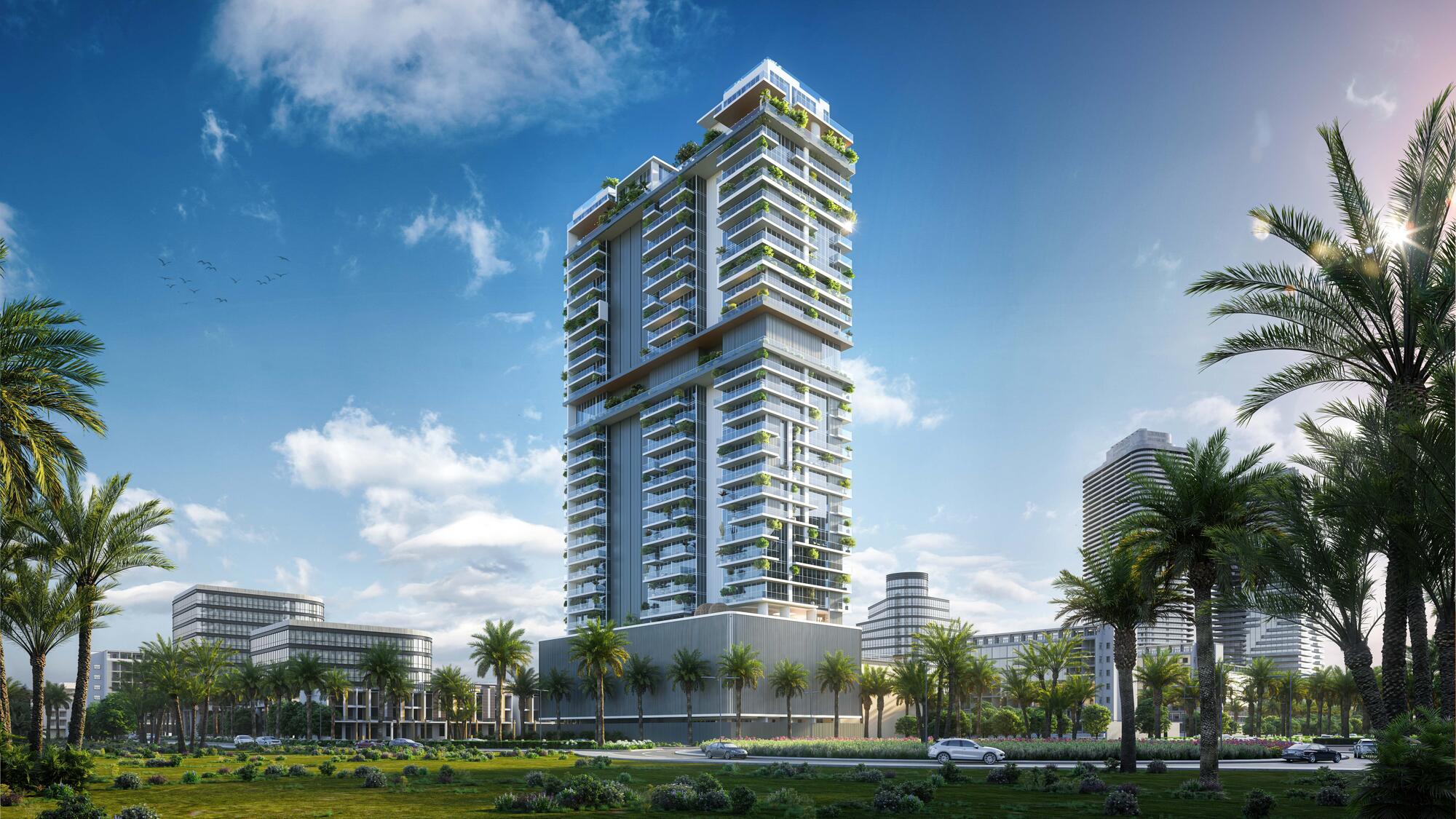
One is a process of active creation, the other a strategy of strategic acquisition. For instance, a project like Prime Gardens begins as a development venture before becoming an investment asset for others.
Creation versus acquisition:
Property development is the act of creating real estate. It involves finding land, securing permits, managing construction, and bringing a new building to market. The developer is the maker.
Property investment, however, is the act of buying existing real estate. The investor acquires a finished asset to hold, lease, or later sell for gain. One builds, the other buys.
Skill sets and daily involvement:
A developer wants a broad, project driven skill set. This includes knowledge of design, construction management, finance, and legal regulations. Their involvement is intense and hands on throughout the build.
An investor’s focus is different, centered on market analysis, financing structures, and tenant relations. Their role is more analytical and managerial, often overseeing an asset rather than operating a construction site.
Risk profile and timeline:
Development carries a different risk. It often involves higher leverage, exposure to construction delays, cost overruns, and market shifts before completion. The timeline is fixed and project based, usually several years.
Investment typically deals with existing, income producing assets. Risks include vacancy rates and market cycles, but the asset exists from day one. The investment horizon can be short or long term.
Capital requirements and funding:
The financial structures differ. Development requires substantial capital for land, materials, and labor, often accessed through complex project finance loans released in stages. Investment usually involves securing a mortgage based on the existing asset’s value and income.
The capital necessary for development is generally larger and released over time, while investment financing is often secured in one transaction.
Primary profit drivers:
Profit comes from distinct sources. A developer’s profit is primarily the difference between the total project cost and the final sales value, known as the development margin. It is a lump sum realized upon completion.
An investor’s profit comes from rental income during ownership and capital appreciation when the asset is sold, representing a more gradual accumulation of wealth.